
homeowners fall victim to home repair scams with untrained or unlicensed contractors, inflated repair costs or improvements that drain their budgets and deliver subpar results.
Whether you’re planning a minor repair or a major remodel, being proactive and informed can save you time, money, and stress. Here’s how you can protect yourself from scams and confidently move forward withhome projects.
Know Who You’re Hiring
Repair scams happen by misleading the consumer. Unreputable repair people or businesses often pose as trained and licensed contractors offering too-good-to-be-true deals—especially in door-to-door pitches or after a storm or natural disaster. Before hiring anyone:
- Research the company. Look for established businesses with verified websites (including a physical address and phone number in your area), customer reviews that align with your area, and a history of work in your community.
- Verify credentials. Ask for a copy of their business license, insurance, and any professional certifications. Any reputable business will happily provide this information.
- Don’t pay before the job is done. A reasonable deposit is common, but full payment should follow completed work that meets your satisfaction.
Be Cautious
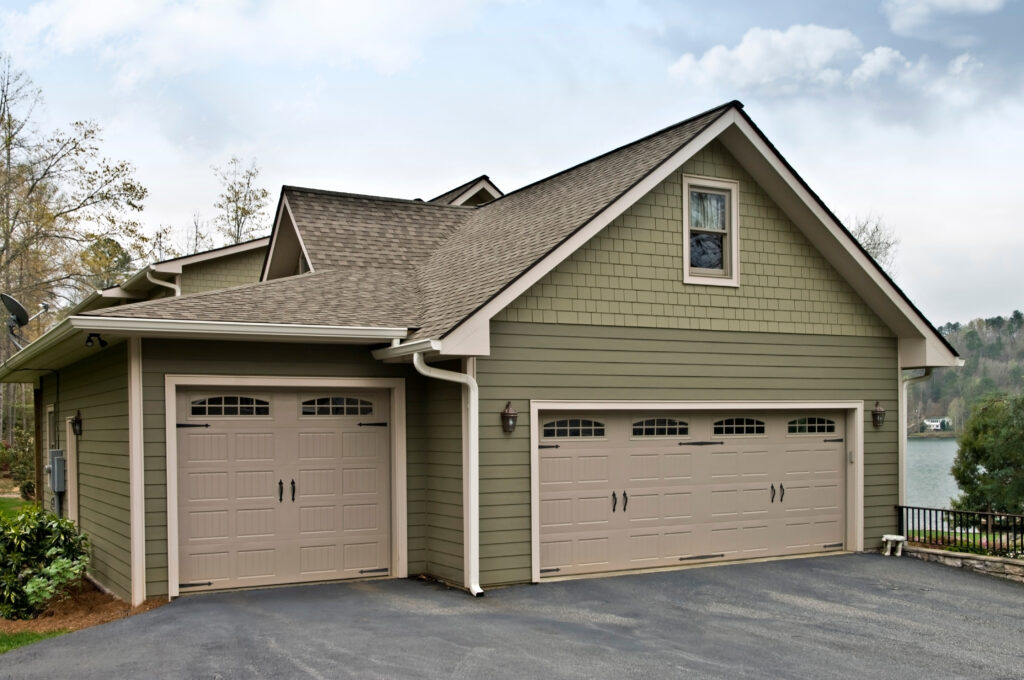
Garage door repair scams have become increasingly common, with untrained technicians charging exorbitant fees for unnecessary parts or incomplete work. Because garage doors are often a safety concern, scammers take advantage of urgency and can pressure a customer or employ scare tactics to encourage you to make an immediate decision.
This is where the International Door Association (IDA) becomes a vital resource. As the leading trade association representing the garage door industry, IDA provides advocacy and education to advance the industry with education, training and professionalism.
- Find trusted and trained dealers through the Find a Professional page.
- Learn how to spot common garage door scams by visiting the IDAConsumer Resource page.
- Access clear, unbiased guidance on what proper garage door service includes.
Get Multiple Estimates
For any home project, it’s smart to get at least three estimates. This will provide you with details on exactly what work will be done and how much this will cost. If one quote is out of whack from the others, this could be a business you don’t want to work with.
- For any home project, it’s smart to get at least three estimates. This will provide you with details on exactly what work will be done and how much this will cost. If one quote is out of whack from the others, this could be a business you don’t want to work with.
- Vague language about timelines or materials is a red flag. Any reputable repair service will provide details about the entire project.
- Pressure you to “act fast” or “pay today for a discount”. No reputable business or salesperson wants to pressure a customer, and if they do, this should cause concern.
- Always ask for estimates in writing and review them thoroughly.
Use Contracts
A clear, written contract protects both parties. All contracts should include:
- Scope of work (who, what, when and final costs)
- Start and end dates
- Detailed pricing and payment terms
- Materials to be used
- Warranty information
- Never rely on verbal agreements, especially when dealing with unfamiliar contractors.
Being knowledgeable of scam awareness tips are essential to protecting your time, money, and peace of mind during home projects. With a rise in home improvement activity and tightening of home repair budgets, dishonest contractors and repair scams are becoming more common.
By following simple precautions, like researching professionals, getting written estimates, and avoiding high-pressure sales, you can avoid costly mistakes and ensure your project is completed safely and correctly. These proactive steps not only help you avoid fraud but also give you greater confidence in the choices you make for your home.