
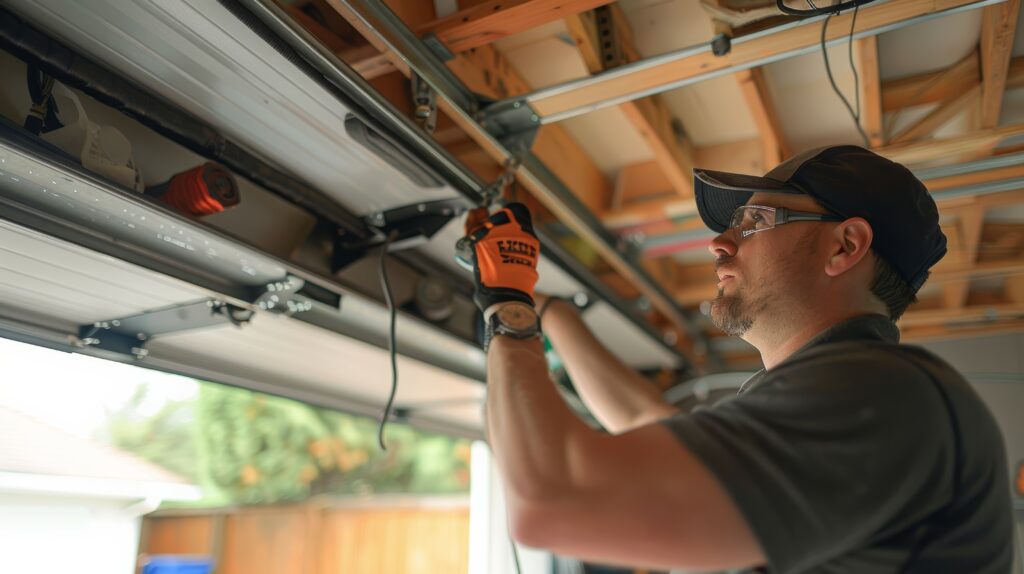
As the leaves begin to turn and the air gets crisp, it’s the perfect time to give your garage door a little extra attention. Fall weather can sneak up on your garage system in surprising ways, affecting everything from its performance to its longevity. Whether you’re preparing for winter or just trying to avoid unexpected repairs, here’s what you need to know about how weather conditions impact your garage door—and when it’s time to bring in a professional.
How Weather Can Impact Garage Doors
Fluctuating temperatures, moisture, and debris can cause issues with your garage door over time. Some common related garage door problems include:
• Contracting materials: As temperatures drop, metal parts like springs, tracks, and hinges may contract. This can cause misalignment or squeaking, making your garage door noisy or harder to open.
• Increased moisture: Rain and changing temperature can increase humidity, which can affect wood doors by causing them to warp or swell. Metal components may also be prone to rust if not properly maintained.
• Debris buildup: Leaves, twigs, dirt, and even insects can affect performance. This debris can block the photo-eye sensors, preventing your door from closing properly or safely.
• Lubrication issues: Cold weather can thicken or harden lubricants, leading to friction and stress on your garage door parts. This can accelerate wear and tear.
What to Look for During a Fall Inspection
Fall is a great time to do a quick inspection of your garage door. Here are a few things to check:
• Listen for strange noises: Squeaking, grinding, or rattling could mean parts need lubrication or replacement.
• Check weatherstripping: Damaged or cracked weatherstripping can let in drafts, water, and pests. Make sure it’s snug and intact around the door’s edges.
• Inspect the tracks and rollers: Look for debris, rust, or signs of wear. Clean the tracks with a dry cloth and use a silicone-based lubricant on moving parts.
• Check the safety sensors: Make sure the photo-eye sensors are aligned and clean. They should sit five to six inches above the floor and have no obstructions.
When to Call a Professional
Some garage door maintenance can be DIY-friendly, but certain signs indicate it’s time to call a professional:
• Broken or rusty springs: Torsion or extension springs are under high tension and can be dangerous to replace yourself.
• Uneven door movement: If the door jerks, shakes, or doesn’t open/close all the way, it may be off-track or have cable issues.
• Persistent noise: If lubrication and basic maintenance don’t stop the noise, there may be deeper issues with the opener or internal components.
• Visible damage or warping: A warped or cracked panel, especially in wooden doors, could affect structural integrity.
• Outdated safety features: If your opener doesn’t have photo-eyes or reverse when something’s in the way, it’s time for an upgrade.
Your garage door is one of the hardest-working components of your home. Fall weather might be beautiful, but it can take a toll on your system if you’re not prepared. A little preventative maintenance now can save you money in the end.
If you’re unsure about what you’re seeing or hearing, don’t hesitate to call a garage door professional. Find one near you using IDA’s Find a Qualified Professional.